








Daşkəndin Modernist Memarlığı YUNESKO-nun Ümumdünya İrsi siyahısına daxil edilib

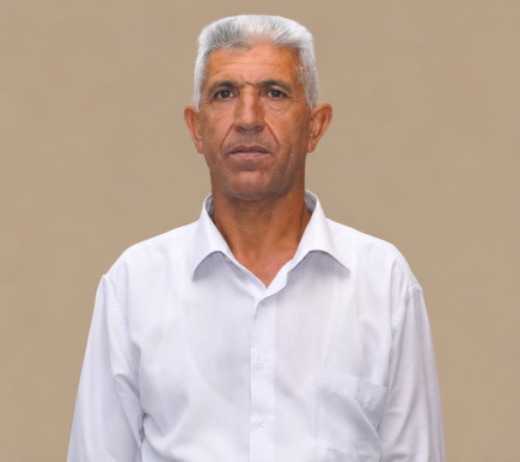
Hafiza Muxtorova Özbəkistanın Cizzaq şəhərində anadan olub. O, bakalavr təhsilini Cizzaq Dövlət Pedaqoji Universitetində, magistr təhsilini isə Özbəkistan Dövlət Dünya Dilləri Universitetində başa vurub.
O, "İlham" mükafatı, Əlişir Nəvai adına Dövlət Təqaüdü və A. Feynberq xüsusi təqaüdünün sahibidir. Çap olunmuş əsərlərinə "Sabuhiy Satrlar" (2022) şeirlər toplusu və "Cizzaqning Sharaf-Shoni Sharof Rashidov!" (2022) analitik və tədqiqat məqalələri toplusu daxildir.
Hafiza Muxtorova hazırda peşəkar jurnalistika ilə məşğuldur.
Daşkəndin Modernist Memarlığı YUNESKO-nun Ümumdünya İrsi siyahısına daxil edilib
Özbəkistan mədəni irsinin beynəlxalq səviyyədə tanınmasında növbəti mühüm uğura imza atıb. Koreya Respublikasının Busan şəhərində keçirilən YUNESKO-nun Ümumdünya İrs Komitəsinin 48-ci sessiyasında “Daşkənd Modernist Memarlığı. Mərkəzi Asiyada Modernlik və Ənənə” 2026-cı ilin iyul ayında YUNESKO-nun Ümumdünya İrsi Siyahısına daxil edilib. Bu ad XX əsrin ikinci yarısında paytaxtın görünüşünün formalaşmasında mühüm rol oynamış bir qrup modernist bina və şəhər kompleksinə verilib.
Bu qərar xüsusilə böyük əhəmiyyət kəsb edir, çünki o, beynəlxalq diqqəti yalnız Özbəkistanın qədim abidələrinə deyil, həm də onun XX əsrə aid memarlıq irsinə cəlb edir. Daşkəndin modernist binaları ölkənin fərqli bir tarixini — yenidənqurma, sürətli şəhərsalma, texnoloji innovasiyalar və müasir memarlığın Mərkəzi Asiya ənənələri ilə qovuşması tarixini nəql edir.
Daşkəndin memarlıq tarixində yeni bir səhifə
Daşkəndin modernist memarlığının tarixi 1966-cı ildə şəhərdə baş verən dağıdıcı zəlzələ ilə sıx bağlıdır. Bu fəlakət paytaxtın inkişafında böyük dönüm nöqtəsi oldu və ardından genişmiqyaslı yenidənqurma proqramı həyata keçirildi.
Sonrakı onilliklər ərzində Daşkənd müasir bir şəhər mərkəzinə çevrildi. Mərhələli şəhərsalma planlarının tərkib hissəsi olaraq yeni ictimai binalar, mədəniyyət müəssisələri, yaşayış kompleksləri və infrastrukturlar inşa edildi. YUNESKO siyahıya alınan mülkiyyəti 1960-cı illər və 1990-cı illərin əvvəlləri arasında tikilmiş 10 modernist bina və şəhər kompleksindən ibarət reprezentativ ansambl kimi təsvir edir.
Yenidənqurma sadəcə zədələnmiş binaların əvəzlənməsindən ibarət deyildi. O, şəhərin şəhərsalma quruluşunu dəyişdi, yeni memarlıq ideyaları və texnologiyalarını gətirdi. YUNESKO siyahısına salınmış 10 obyektdən doqquzu mərkəzi Daşkənddə yeni planlaşdırılmış şəhər oxları boyunca yerləşir ki, bu da həmin dövrdə şəhərin genişmiqyaslı transformasiyasını əks etdirir.
Modernizmin Mərkəzi Asiya ənənələri ilə qovuşduğu məkan
Daşkənd modernist memarlığının en mühüm xüsusiyyətlərindən biri beynəlxalq modernizm prinsiplərinin yerli ənənələr və ətraf mühit şəraitləri ilə uzlaşdırılmasıdır.
Memarlar regionun seysmik risklərini, isti iqlimini, yerli tikinti materiallarını və mədəni ənənələrini nəzərə almalı idilər. Nəticədə, binalar başqa yerlərin modernist üslublarını kor-koranə təkrarlamaq əvəzinə, özünəməxsus bir memarlıq xarakteri qazandı.
YUNESKO qeyd edir ki, bu memarlıq modernist planlaşdırma prinsiplərinin Daşkəndin yerli iqlim, seysmik və mədəni şəraitinə uyğunlaşdırılmasını nümayiş etdirir. Sənayeləşdirilmiş tikinti və müasir mühəndislik regional materiallar, ənənəvi təcrübələr və yerli sənətkarlıqla birləşdirilmişdir.
Daşkənd modernist memarlığına xüsusi dəyər qazandıran da məhz bu sintezdir. Şəhər müasir texnologiya və memarlıq eksperimentlərinin Mərkəzi Asiya ənənələri ilə qarşılıqlı əlaqədə olduğu bir məkana çevrildi.
Müasir Daşkəndi təmsil edən 10 tarixi məkan
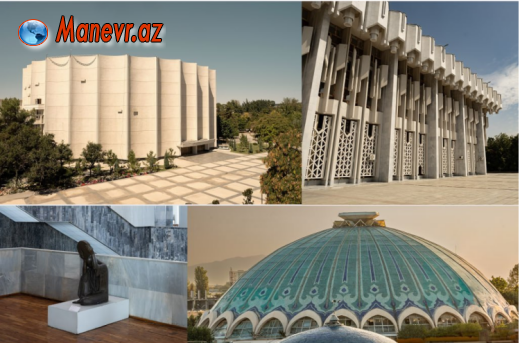
YUNESKO-nun Ümumdünya İrsi obyekti şəhərin memarlıq inkişafının müxtəlif aspektlərini əks etdirən 10 obyekti əhatə edir. Bunlara "Jemçujina" ("Mirvari") yaşayış binası, Dövlət Tarix Muzeyi, Xalqlar Dostluğu Sarayı, Dövlət İncəsənət Muzeyi, Daşkənd Dövlət Sirki, Mərkəzi Sərgi Salonu, Milli Kino Sənəti Sarayı, Çorsu Bazarı, Kosmonavtlar Metrostansiyası və Böyük Günəş Sobası daxildir. YUNESKO-nun rəsmi siyahısı 10 komponentdən ibarət obyektləri təsdiqləyir və eyni zamanda Böyük Günəş Sobasının Daşkənddən kənarda, Parkent rayonunda yerləşdiyini qeyd edir.
Bu obyektlər birlikdə yenidənqurma dövründə ortaya çıxan geniş memarlıq funksiyalarını nümayiş etdirir. Buraya mədəniyyət və təhsil müəssisələri, ictimai məkanlar, yaşayış memarlığı, nəqliyyat infrastrukturu və elmi obyektlər daxildir.
Məsələn, Çorsu Bazarı müasir tikintinin Mərkəzi Asiyanın köklü ticarət və sosial ənənələri ilə görüşünü təmsil edir. Kosmonavtlar Metrostansiyası isə öz dövrünün texnoloji can atmalarını əks etdirir və Daşkəndin özünəməxsus yeraltı memarlıq mühitinin bir hissəsini təşkil edir.
Daşkənddən təxminən 40 kilometr şərqdə yerləşən Böyük Günəş Sobası bu dövrün başqa bir tərəfini — genişmiqyaslı elmi və texnoloji infrastrukturun inkişafını təmsil edir. YUNESKO-nun sənədləri onu təqdim olunmuş mülkiyyətin 10 komponenti sırasına daxil edir.
YUNESKO tanınması nə üçün vacibdir?
YUNESKO-nun Ümumdünya İrsi Siyahısına salınmaq beynəlxalq tituldan daha böyük məna kəsb edir. Bu, bir məkanın Fövqəladə Ümumbəşəri Dəyərə malik olduğunu qəbul edir və onun qorunub saxlanılmasına, uzunmüddətli idarə olunmasına daha böyük diqqət cəlb edir.
Daşkənd üçün bu yeni status modernist irsini qoruyub saxlamaq səylərini gücləndirmək, binalar haqqında daha dərindən tədqiqatlar aparmaq və onların tarixi əhəmiyyəti barədə ictimai məlumatlılığı artırmaq imkanı yaradır.
O, həmçinin şəhərin memarlıq irsinə beynəlxalq miqyasda baxış bucağını dəyişir. Özbəkistan daha çox Səmərqənd, Buxara və Xivə kimi qədim şəhərləri və Böyük İpək Yolu ilə bağlı abidələri ilə tanınır. Daşkəndin modernist memarlığının YUNESKO tərəfindən tanınması bu imicə yeni bir ölçü əlavə edərək ölkənin XX əsrdəki memarlıq inkişafını ön plana çıxarır.
Mədəni turizm üçün yeni imkan
YUNESKO qərarı Daşkəndin mədəni və memarlıq turizmi məkanı kimi mövqeyini də möhkəmləndirə bilər.
Xarici ziyaretçilər ənənəvi olaraq Özbəkistana qədim abidələri, İslam memarlığını və İpək Yolu irsini kəşf etmək üçün gəlirlər. Daşkəndin modernist binaları isə fərqli bir təcrübə təqdim edir — şəhərin XX əsrdəki transformasiyasını və müasirliyi yerli kimliklə birləşdirmək səylərini üzə çıxaran bir təcrübə.
Memarlıq həvəskarları, tarixçilər və tədqiqatçılar üçün yeni tanınmış obyektlər Mərkəzi Asiyanın böyük bir paytaxtının təbii fəlakətə, sürətli modernləşməyə və dəyişən memarlıq ideyalarına necə cavab verdiyini araşdırmaq imkanı yaradır. Bu səbəbdən, bu tanınma yalnız binaların mühafizəsinə deyil, həm də Daşkəndin müasir memarlıq irsinə yönəlmiş yeni mədəni marşrutların və turizm proqramlarının inkişafına töhfə verə biler.
Beton və binalardan daha artıq bir dəyər
YUNESKO siyahısına salınma, nəticə etibarilə, binalar toplusundan daha böyük bir həqiqətə beynəlxalq tanınma qazandırır. Bu tikililər Daşkənd tarixinin mühüm bir dövrünü — şəhərin müasir planlaşdırma, qabaqcıl mühəndislik və yerli memarlıq ənənələrinin sintezi ilə yenidən qurulduğu və çevrildiyi bir dövrü təmsil edir.
Daşkəndin modernist memarlıq tarixi mədəni irsin yalnız qədim abidələrlə məhdudlaşmadığını da xatırladır. XX əsrin memarlığı da bir cəmiyyətin tarixini, kimliyini və texnoloji nailiyyətlərini əks etdirə bilər. “Daşkənd Modernist Memarlığı. Mərkəzi Asiyada Modernlik və Ənənə” obyektini Ümumdünya İrsi Siyahısına daxil etməklə YUNESKO Özbəkistan tarixinin unikal bir səhifəsini — zəlzələ və yenidənqurma, innovasiya və ənənə, müasirlik və yerli identity (kimlik) ilə formalaşmış bir səhifəni diqqət mərkəzinə gətirdi.
Daşkənd üçün bu, tanış binalara yeni bir gözlə baxmaq imkanıdır. Bir vaxtlar sadəcə şəhər mənzərəsinin bir hissəsi olan tikililər, indi dünyanın qəbul etdiyi mədəni irsin tərkib hissəsinə çevrilib.
*****Khafiza Mukhtorova was born in Jizzakh, Uzbekistan. She completed her bachelor’s degree at Jizzakh State Pedagogical University and her master’s degree at the Uzbekistan State World Languages University
She is a recipient of the Ilhom Award, the Alisher Navoi State Scholarship, and the A. Feinberg Special Scholarship. Her published works include “Sabuhiy Satrlаr” (2022), a collection of poems, and “Jizzakhning Sharaf-Shoni Sharof Rashidov!” (2022), a collection of analytical and research articles.
Khafiza Mukhtorova currently works professionally in the field of journalism.
Tashkent’s Modernist Architecture Added to the UNESCO World heritage list
Uzbekistan has achieved another important milestone in the international recognition of its cultural heritage. At the 48th session of the UNESCO World Heritage Committee in Busan, Republic of Korea, “Tashkent Modernist Architecture. Modernity and Tradition in Central Asia” was inscribed on the UNESCO World Heritage List in July 2026. The designation recognizes a group of modernist buildings and urban complexes that played an important role in shaping the capital during the second half of the 20th century.
The inscription is particularly significant because it draws international attention not only to Uzbekistan’s ancient monuments, but also to its 20th-century architectural heritage. Tashkent’s modernist buildings tell a different story of the country — one of reconstruction, rapid urban development, technological innovation and the meeting of modern architecture with Central Asian traditions.
A new chapter in Tashkent’s architectural history
The story of Tashkent’s modernist architecture is closely connected with the devastating earthquake that struck the city in 1966. The disaster became a major turning point in the development of the capital and was followed by an extensive reconstruction program.
During the following decades, Tashkent was transformed into a modern urban center. New public buildings, cultural institutions, residential complexes and infrastructure were constructed as part of successive urban development plans. UNESCO describes the listed property as a representative ensemble of 10 modernist buildings and urban complexes constructed between the 1960s and early 1990s.
The reconstruction was not simply about replacing damaged buildings. It reshaped the city’s urban structure and introduced new architectural ideas and technologies. Nine of the ten UNESCO-listed components are located along newly planned urban axes in central Tashkent, reflecting the large-scale transformation of the city during this period.
Where modernism meets Central Asian traditions
One of the most important features of Tashkent’s modernist architecture is the combination of international modernist principles with local traditions and environmental conditions.
Architects had to take into account the region’s seismic risks, hot climate, local materials and cultural traditions. As a result, the buildings developed a distinctive architectural character rather than simply reproducing modernist styles from elsewhere.
UNESCO notes that the architecture demonstrates the adaptation of modernist planning principles to Tashkent’s local climatic, seismic and cultural conditions. Industrialized construction and modern engineering were combined with regional materials, traditional practices and local craftsmanship.
This combination is what gives Tashkent’s modernist architecture its particular value. The city became a place where modern technology and architectural experimentation interacted with the traditions of Central Asia.
Ten landmarks representing modern Tashkent
The UNESCO World Heritage property includes 10 sites representing different aspects of the city’s architectural development. They include the Jemchug (“Pearl”) residential building, State Museum of History, Palace of Friendship of Peoples, State Museum of Arts, Tashkent State Circus, Central Exhibition Hall, National Palace of Cinema Arts, Chorsu Bazaar, Kosmonavtlar Metro Station and the Big Solar Furnace. UNESCO’s official listing confirms the 10-component property, while noting that the Big Solar Furnace is located outside Tashkent, in the Parkent district.
Together, these sites demonstrate the wide range of architectural functions that emerged during the reconstruction period. They include cultural and educational institutions, public spaces, residential architecture, transportation infrastructure and scientific facilities.
For example, Chorsu Bazaar represents the meeting of modern construction with one of Central Asia’s long-standing commercial and social traditions. Kosmonavtlar Metro Station, meanwhile, reflects the technological aspirations of its era and forms part of Tashkent’s distinctive underground architectural environment.
The Big Solar Furnace, located around 40 kilometers east of Tashkent, represents another dimension of this period: the development of large-scale scientific and technological infrastructure. UNESCO’s documentation places it among the 10 components of the nominated property.
Why UNESCO recognition matters
Being placed on the UNESCO World Heritage List is more than an international title. It recognizes a site as having Outstanding Universal Value and brings greater attention to its preservation and long-term management.
For Tashkent, the new status creates an opportunity to strengthen efforts to conserve its modernist heritage, conduct further research into the buildings and promote public awareness of their historical importance.
It also changes the way the city’s architectural heritage can be viewed internationally. Uzbekistan is widely known for the historic cities of Samarkand, Bukhara and Khiva and their monuments connected with the Silk Roads. The UNESCO recognition of Tashkent’s modernist architecture adds a new dimension to that image, highlighting the country’s architectural development in the 20th century.
A new opportunity for cultural tourism
The UNESCO designation could also strengthen Tashkent’s position as a destination for cultural and architectural tourism.
International visitors traditionally come to Uzbekistan to explore ancient monuments, Islamic architecture and Silk Road heritage. Tashkent’s modernist buildings offer a different experience — one that reveals the city’s transformation during the 20th century and its efforts to combine modernity with local identity.
For architecture enthusiasts, historians and researchers, the newly recognized sites provide an opportunity to explore how a major Central Asian capital responded to natural disaster, rapid modernization and changing architectural ideas. The recognition may therefore contribute not only to the preservation of these buildings but also to the development of new cultural routes and tourism programs centered on Tashkent’s modern architectural heritage.
More than concrete and buildings
The UNESCO inscription ultimately gives international recognition to more than a collection of buildings. These structures represent a significant period in Tashkent’s history — a period when the city was rebuilt and transformed through a combination of modern planning, advanced engineering and local architectural traditions.
The story of Tashkent’s modernist architecture is also a reminder that cultural heritage is not limited to ancient monuments. The architecture of the 20th century can also reflect the history, identity and technological achievements of a society. By placing “Tashkent Modernist Architecture. Modernity and Tradition in Central Asia” on the World Heritage List, UNESCO has highlighted a unique chapter in Uzbekistan’s history — one shaped by earthquake and reconstruction, innovation and tradition, modernity and local identity.
For Tashkent, it is an opportunity to look at its familiar buildings in a new way. What was once simply part of the cityscape has now become part of the world’s recognized cultural heritage.
Manevr.az